
A short history of Harrogate
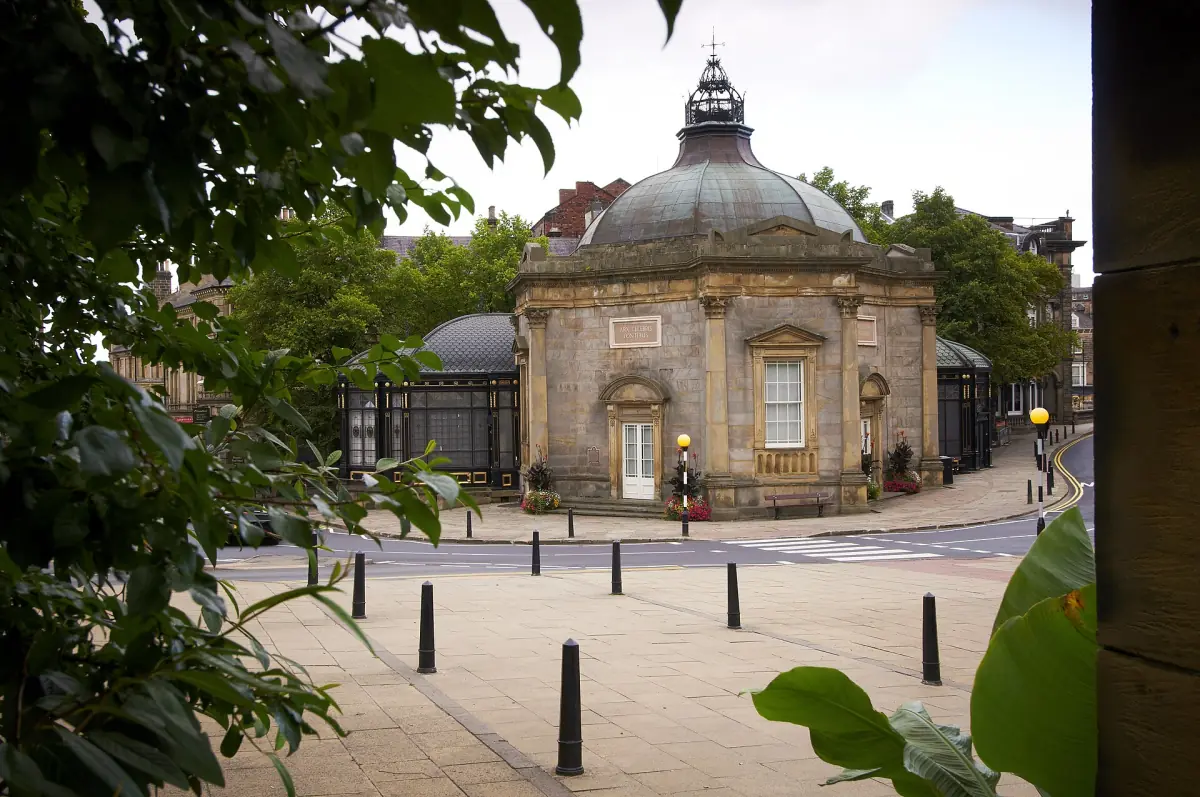
Harrogate's history is the history of its water. William Slingsby's discovery of a spring is dated to 1571. In the 19th century the town grew around its wells into a spa, and the Royal Baths opened on 23 July 1897. Today the town is better known for its gardens and day trips, but the spa past is still easy to see. The Royal Pump Room is now a museum, and the Turkish Baths still take bathers.
Historic treatments belong to their time. We describe what was done, not what the water can do for you today. If you want to see the setting, see our Yorkshire Dales tours from Harrogate for trips around the region.
Harrogate history timeline
Key dates for the town and its parks.
| Year | Event |
|---|---|
| 1571 | William Slingsby's discovery of a spring |
| 1778 | The Stray is dated to this year, linking the spring areas |
| 1851 | Knaresborough viaduct finished, carrying the railway over the River Nidd |
| 1858 | Old Magnesia Well Pump Room in Valley Gardens |
| 1884–1887 | Richard Ellis, as mayor, backs the bath project |
| 1895 | New Magnesia Well Pump Room in Valley Gardens |
| 1897 | The Royal Baths open on 23 July |
| 1926 | Agatha Christie's disappearance and stay in Harrogate |
| 1933 | Sun Pavilion, Sun Colonnade and bandstand in Valley Gardens |
A sensible order is the Royal Pump Room first, then Valley Gardens, then a visit to the baths.
Our pick: Ripon guided food tour
A walk through the historic centre of Ripon, a short trip from Harrogate.
Hand-picked tours, booked through GetYourGuide. Prices are indicative starting prices in British pounds (as of October 2026). Tap a tour for live availability and the current price in your currency.
Day trips and tours from Harrogate
Fountains Abbey, the Dales, York and more, with live prices and availability.
Sulphur wells and the spa town
From a spring to a destination.
The springs
Slingsby's discovery is dated to 1571. That date refers to one discovery, not to every well in the town, because Harrogate has several springs. The sulphur water made the town known as a spa.
The Victorian boom
The town grew in the 19th century around its wells and baths. Richard Ellis, as mayor from 1884 to 1887, promoted the baths project, which led to the Royal Baths opening on 23 July 1897.
The Royal Baths and Turkish Baths
Of the Royal Baths, the Turkish Baths are the part that remains in use. Sessions cost £29 or £39 in 2026 depending on the day, and the minimum age is 16. A history tour of about 45 minutes runs on Wednesdays at 8:30 and costs £4.
Turkish Baths guide →The Royal Pump Room
The museum tells the story of the spa and its sulphur springs. It is open Tuesday to Sunday from 9:30 to 16:30 and closed on Mondays. Adult entry is £4.40 in 2026.
Pump Room guide →Agatha Christie in Harrogate
One of the town's best-known stories.
In December 1926 the writer Agatha Christie disappeared from her home, and she was found in Harrogate, where she had stayed under the name Theresa Neele. A concussion or memory loss has been suggested, but why she left and what exactly happened remains debated. The story has little to do with the waters and is not tied to any building.
For a visit, the Royal Pump Room museum and the town's spa heritage give you the setting.
Parks, abbey and village: older places nearby
History outside the spa itself.
The Stray
The Stray covers 200 acres (about 80.9 ha) of public grass parkland south of the centre. Its creation is dated to 1778.
Valley Gardens and The Stray →Fountains Abbey
Since 1983 the estate has been owned and managed by the National Trust, in partnership with English Heritage, which looks after the abbey ruins. UNESCO listed Studley Royal Park including the ruins of Fountains Abbey in 1986.
Fountains Abbey guide →Ripley
Much of the village was rebuilt in the early 19th century. The castle is privately run.
Ripley Castle guide →The Dales
The Yorkshire Dales National Park was created in 1954 and covers 2,179 square kilometres.
Yorkshire Dales guide →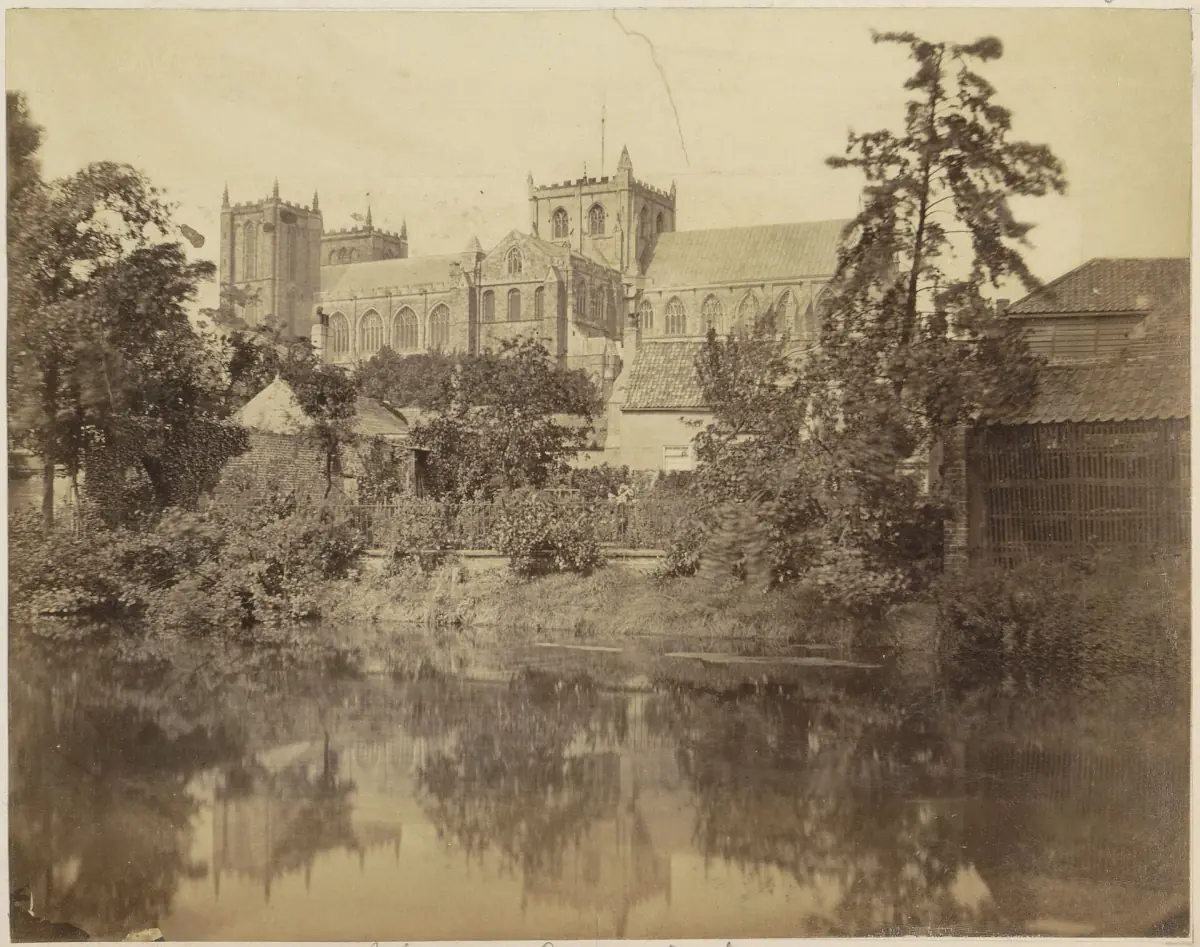
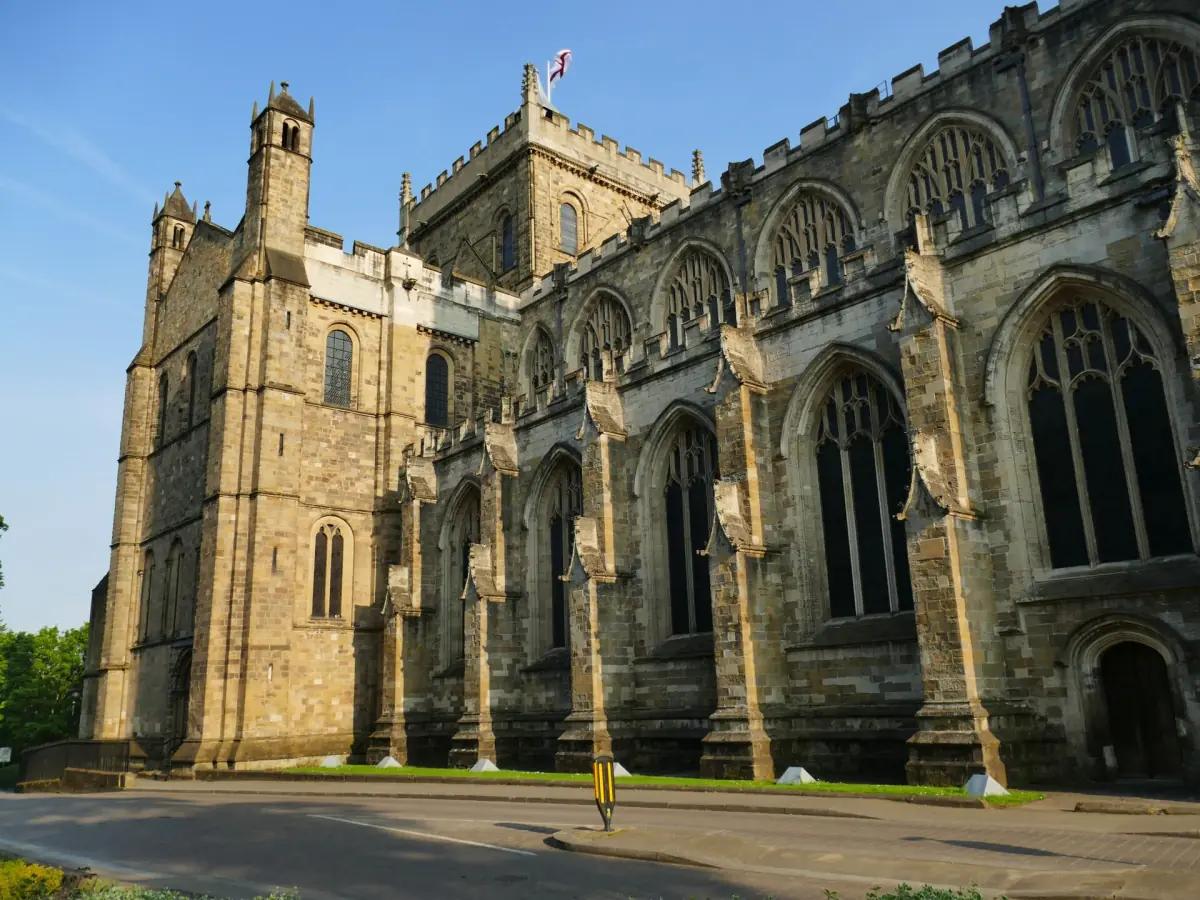
Ripon Cathedral is a short trip from Harrogate and shows another strand of the region's past. It is open Monday to Saturday from 8:00 to 18:00 and Sunday from 12:00 to 17:00. Entry is by donation, with £5 suggested. There is no normal tour during services.
History of Harrogate: frequently asked questions
Why is Harrogate called a spa town?
The town grew in the 19th century around its mineral and sulphur springs. The Royal Baths opened on 23 July 1897, and the Turkish Baths are still in use.
When was the first spring discovered in Harrogate?
William Slingsby's discovery of a spring is dated to 1571. That refers to one spring, not to all the wells in the town.
Why did Agatha Christie go to Harrogate?
She was found there in December 1926 after she disappeared, staying under the name Theresa Neele. Her reasons remain debated, and the water has no part in the story.
Can I still take the waters in Harrogate?
The Royal Pump Room is a museum about the spa. Do not plan a tasting. You can book a session in the Turkish Baths, which are the part of the Royal Baths still open.
What is the best place to start learning about the town's history?
The Royal Pump Room museum, open Tuesday to Sunday. It is on level ground with automatic doors.